Product photography is a tax on small brands
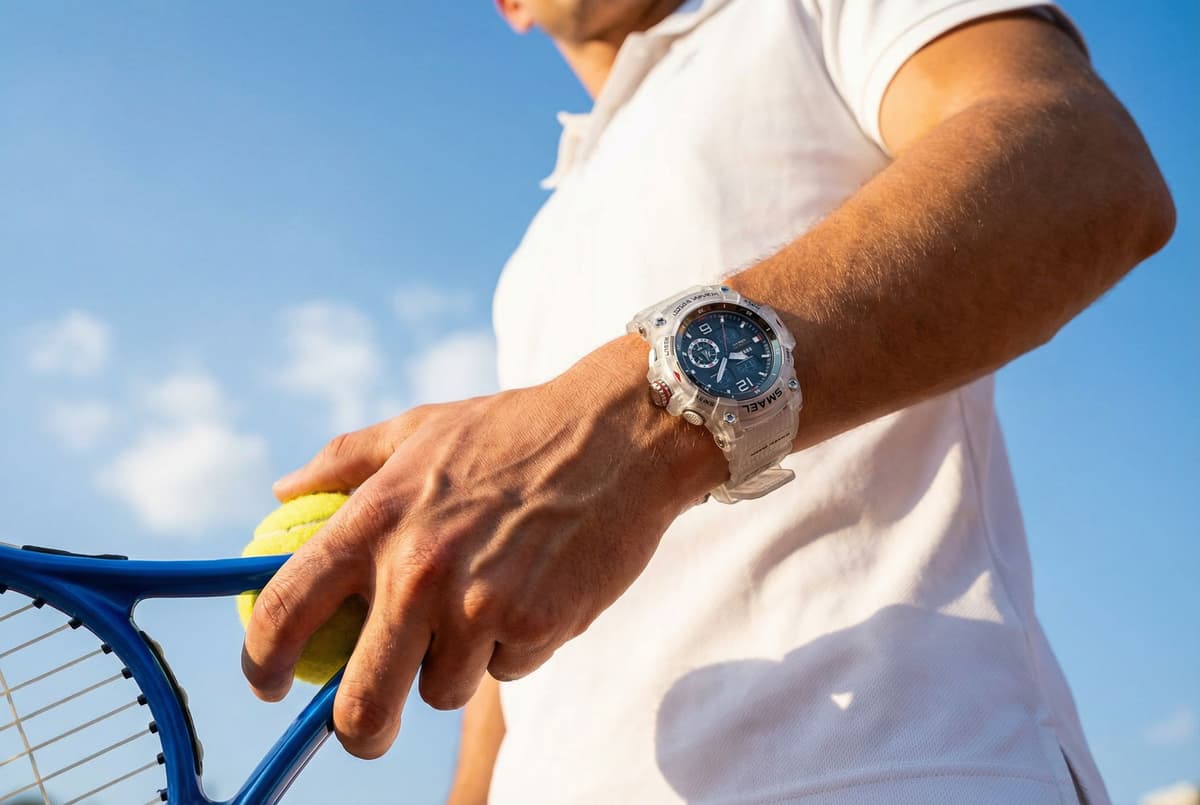
Product photography is a regressive tax. Big brands amortize it across millions of units; small brands pay nearly the same per shot for a fraction of the return. We pulled the real numbers — what shoots actually cost in 2026, line by line — and what we found is that most of that invoice is no longer necessary. This piece breaks down the math, and tells you which 10% of your photo budget still belongs to a human.
What a real shoot actually costs in 2026
Let's start with the receipts. A clean white-background product shot — the kind every Shopify PDP needs — runs $25 to $75 per image at a commercial studio. Lifestyle imagery, the stuff that actually sells on Instagram, jumps to $100–$500+ per finished frame. A photographer day rate sits between $500 and $3,000 depending on city and reputation. Studio rental adds another $200–$500 a day. Retouching is its own line: $0.79 for a basic clipping path, up to $15+ per image for color correction, skin work, or compositing.
None of these numbers are the number you actually pay. The all-in cost of a shoot — once you add prep, props, model fees, food on set, parking, file delivery, and the inevitable round of revisions — is two to three times the quoted day rate. A photographer who quotes $1,500 invoices $4,000. A studio that lists $300 a day ends up at $900 by the time you've added an assistant, lighting hire, and overtime.
Stack that up over a year. A 500-SKU brand running quarterly refreshes for ecommerce plus monthly social shoots is looking at $125,000 to $250,000 annually on imagery alone. We have seen the invoices. Founders show them to us, half embarrassed, half angry. They know it's not sustainable. They keep paying because they don't see another option.
Why small brands pay 3x what they think they will
The quote is never the bill. Three structural reasons compound the cost for smaller brands specifically:
- Volume penalty inversion. A 5,000-SKU enterprise gets per-image rates because the shoot is one continuous flow. A 50-SKU brand pays the same setup cost — lights, studio, photographer minimums — and divides it across far fewer images.
- Iteration tax. The first round is rarely the final round. Each revision round adds 15–30% to the bill. Big brands accept this as a line item; small brands feel each revision in their cash flow.
- Format multiplication. One product photo is now five deliverables — square for Instagram, 9:16 for Reels, wide for the homepage, vertical for email, cutout for ads. A photographer charges per finished asset, not per shutter click.
The result is a bill that scales with ambition rather than revenue. Founders who want a serious feed end up subsidizing a creative ecosystem that was designed for fashion houses, not for someone shipping 200 orders a week from a Brooklyn warehouse.
A 500-SKU brand running quarterly refreshes is looking at $125,000 to $250,000 a year on imagery alone. We have seen the invoices.
The 90% of shots that don't need a studio
Now the honest part. Not every shot is a candidate for AI. But most of them are. According to Rewarx, 34% of Shopify merchants now use AI for product imagery, up from 12% in 2022. That number is climbing because the use cases are getting clearer.
AI handles four categories cleanly today.
- Background swaps — clean product cutout dropped into a marble surface, a beach at golden hour, a mossy forest, a kitchen counter at breakfast.
- Variant scenes — the same product in twelve contexts for an A/B test or seasonal campaign. No longer a creative problem. A prompt.
- Stylized hero frames for paid ads — the kind that needs to look polished but not necessarily real.
- Inspiration mood boards — directionally-correct beats pixel-perfect, basically free now.
Lifestyle imagery, by the way, converts 22–30% better than plain white-background shots. That gap is what kept photographers in business. AI closes it for a fraction of the cost — not because the technology is magic, but because the bottleneck was never the camera. It was the time and money to build the scene.
What stays human
We are not going to pretend AI replaces everything. It doesn't, and the brands that pretend otherwise will get burned. Here's where humans still win, full stop.
Editorial campaigns with real human models. Skin-on-product interaction is still the hardest thing for AI to fake convincingly. ASOS reportedly saw 18% higher returns on AI-generated fashion shots — buyers couldn't tell what the garment would actually look like on a body. That's a real cost. If you sell apparel, your hero campaign still needs a human in it.
Tactile detail at extreme close-up. The way light catches the weave of a fabric, the micro-texture of leather grain, the condensation on a glass bottle — AI gets close, but a macro lens still wins for the one frame that defines your craft narrative.
Founder credibility shots. Behind-the-scenes, hands-in-the-work, the warehouse on Tuesday morning. AI can't fake your face, your team, your space. Don't try.
There are also remaining tells in 2026 that will catch a sloppy AI workflow. Hands and teeth and earrings are mostly solved. What still gives AI away: unnaturally smooth skin, lighting that doesn't match between the subject and the background, broken object-hand interactions where the product floats half a millimeter off the surface, a too-polished sheen for the context, color banding in soft gradients, and gibberish text on labels. If you ship images with these tells, your audience clocks them in under two seconds. The technology is good enough that the bar is now taste, not capability.
How to think about your visual budget now
Stop treating photography as one line item. Split it into three tiers:
- Tier 1 — Hero. Two or three campaigns a year. Real photographer, real models, real location. This is your brand canon. Budget appropriately and protect it.
- Tier 2 — Catalog. Every PDP, every variant, every angle. Used to be 60% of your bill. Now belongs almost entirely to AI — consistent output, near-zero iteration cost, hours instead of weeks.
- Tier 3 — Velocity. Daily and weekly social, paid creative tests, seasonal moments, reactive posts. AI is the only way to keep up at this cadence. The brands that can't generate 30 images and a dozen video clips in an afternoon will lose to the ones that can.
The brands we work with typically take their annual bill from $200,000 down to under $40,000. The output goes up, not down.

The tax is optional now
For two decades, paying the photography tax was the price of looking like a real brand. That tax funded an entire creative supply chain — studios, photographers, retouchers, prop stylists, agents — that small brands subsidized without ever getting the volume discount that made it economical for the big players. The math was unfair. It is no longer mandatory.
Disoya was built for the catalog and velocity tiers — the 90% of imagery that doesn't need a human behind a camera. You upload one product photo, and our AI Photo engine gives you 2K and 4K outputs across whatever scene, surface, and lighting you specify. The AI Prompt Generator writes the brief for you when you don't know what you want. The Brand Kit locks your palette so the output looks like one brand, not fifty experiments. If you're running a small brand and your photo budget is eating your margin, take a hard look at which tier each invoice belongs to. Most of them belong to a tier you no longer have to pay for.