AI or photographer? When to use which (we did the math)
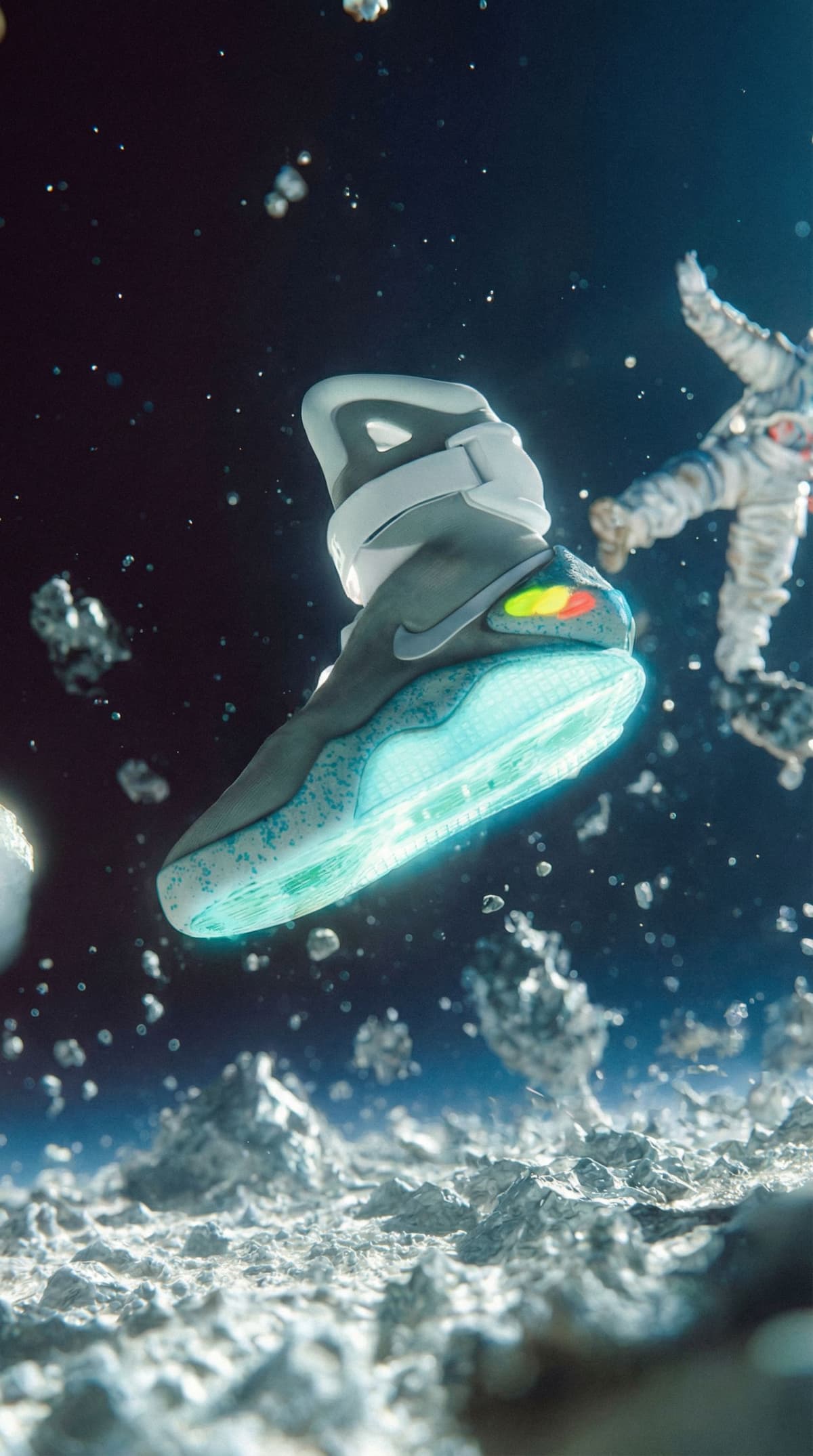
Almost every "AI vs photographer" piece online is paid for by one side. We sell AI imagery, so we have an obvious bias — but we also know the answer isn't binary. We sat down with the receipts from twelve brands we work with and ran the numbers per shot, per hour, per scenario. Here's where AI dominates, where the photographer still wins, and the hybrid stack the smartest brands use to stop choosing.
What we measured
Three variables: cost per finished image, time from brief to delivery, and creative ceiling. We pulled real invoices and timestamps from the brands we work with — none below $500k in revenue, none above $20m, all running active social and ecommerce. We covered the full cost math in our pillar piece on the photography tax small brands pay; the short version is that a quoted photographer day rate is rarely the bill you get.
For the photographer side: total invoiced cost divided by usable finished images, including the day rate, studio, retouching, props, and revisions. For the AI side: subscription cost divided by images generated and actually shipped — not the headline number, the real one, accounting for prompt iteration and rejected outputs. Apples to apples.
Where AI dominates (and by how much)
Volume catalog work. A photographer charges $25–$75 per finished white-background image at scale. AI runs at functionally zero per image once you have a subscription. For a brand pushing out 200 PDP images a quarter, that's a $5,000–$15,000 line item collapsing to a $99 plan. The cost ratio is between 50:1 and 150:1 in AI's favor.
Iteration speed. A photographer revision round takes 3–7 days. An AI revision takes 90 seconds. If your marketing team A/B tests creative, that compounding time advantage isn't a nice-to-have — it's the difference between testing four hooks a month and forty.
Scenes that don't exist where you are. Tropical beach in February in Berlin. Marble surface you can't afford. Aurora borealis behind a candle. AI builds these in minutes; a photographer needs a flight, a permit, or a CGI compositor. The cost gap on this category isn't 10x — it's often the difference between possible and impossible.
Social velocity. A daily Reels habit needs 30+ assets a month. No small brand can afford a photographer at that cadence. AI makes daily content economically viable for the first time. Combined with our AI Calendar and AI Auto-publish to Instagram and Facebook, the cost of "show up every day" goes from impossible to a line item.
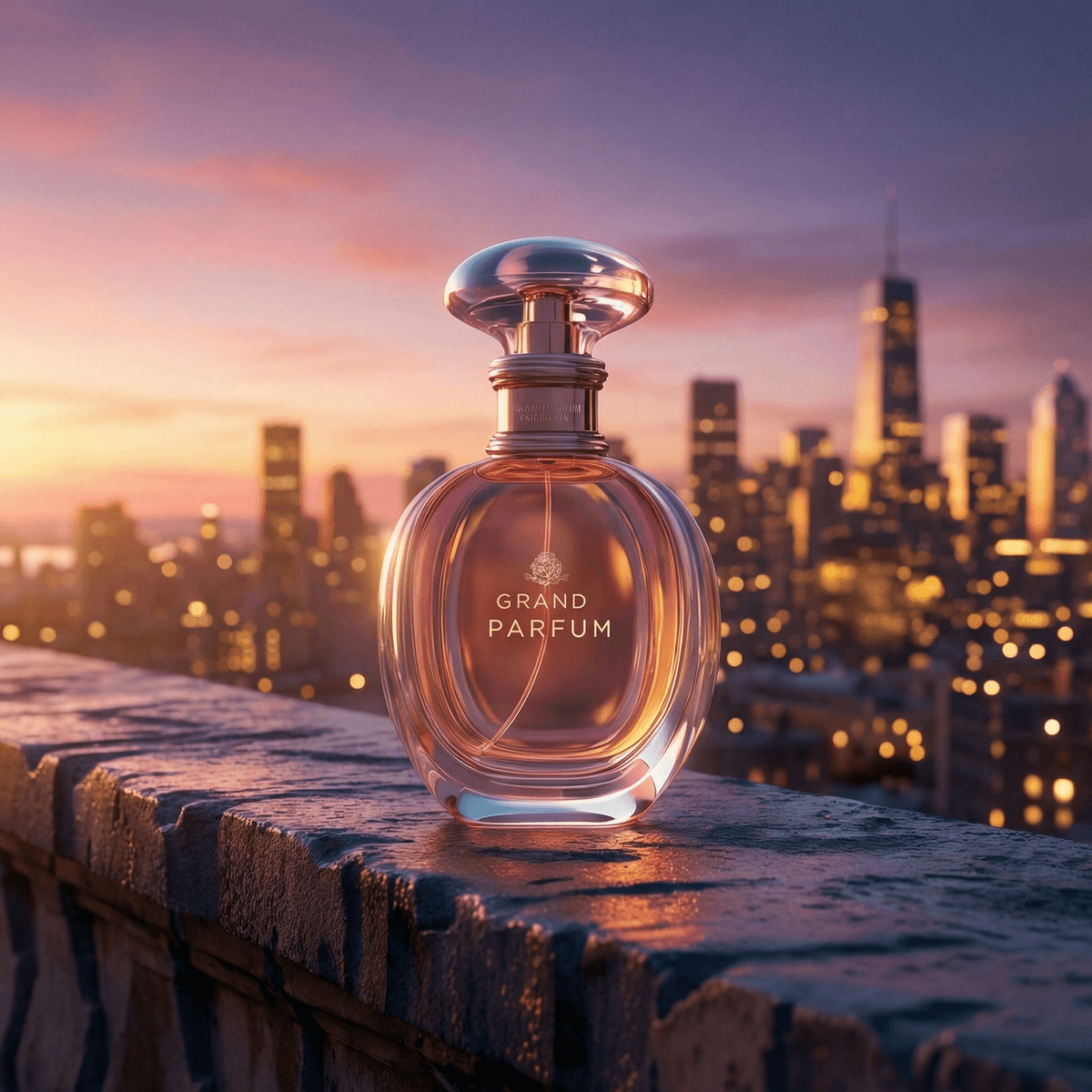
The cost ratio is between 50:1 and 150:1 in AI's favor on volume catalog work.
Where the photographer still wins
We are not going to oversell. Three scenarios where you should still pick up the phone and book a shoot:
- High-stakes hero campaigns — billboards, magazine covers, packaging, the homepage hero that anchors the next 12 months.
- Real human models in fashion and beauty — skin-on-product realism is still the last mile, and the math punishes shortcuts.
- Tactile macro detail — leather grain, soap bubbles, diamond sparkle. Texture authenticity AI approximates but doesn't fully match.
High-stakes hero campaigns. The annual brand film. The launch creative for a flagship product. The image that's going on a billboard or on the cover of your packaging. These need a director, a real location, and the kind of unpredictable beauty that comes out of a long day on set. AI can support the campaign — pre-vis, scene scouting, ad variants — but the canonical asset belongs to a human.
Real human models in fashion and beauty. ASOS saw 18% higher returns on AI-model fashion shots in the testing they've done. That's a real revenue cost. If your product touches skin or hair or a body, the hero shot needs a real person. AI is closing the gap, but skin-on-product realism is still the last mile, and the math punishes you if you cut corners on apparel and beauty heroes.
Tactile macro detail. The grain in the leather, the bubble pattern in the natural soap, the precise sparkle of a real diamond. A macro lens with controlled lighting still produces a level of texture authenticity that AI approximates but doesn't fully match. For your craft narrative — the "look how it's made" frames — book the shoot.
The hybrid stack most smart brands use
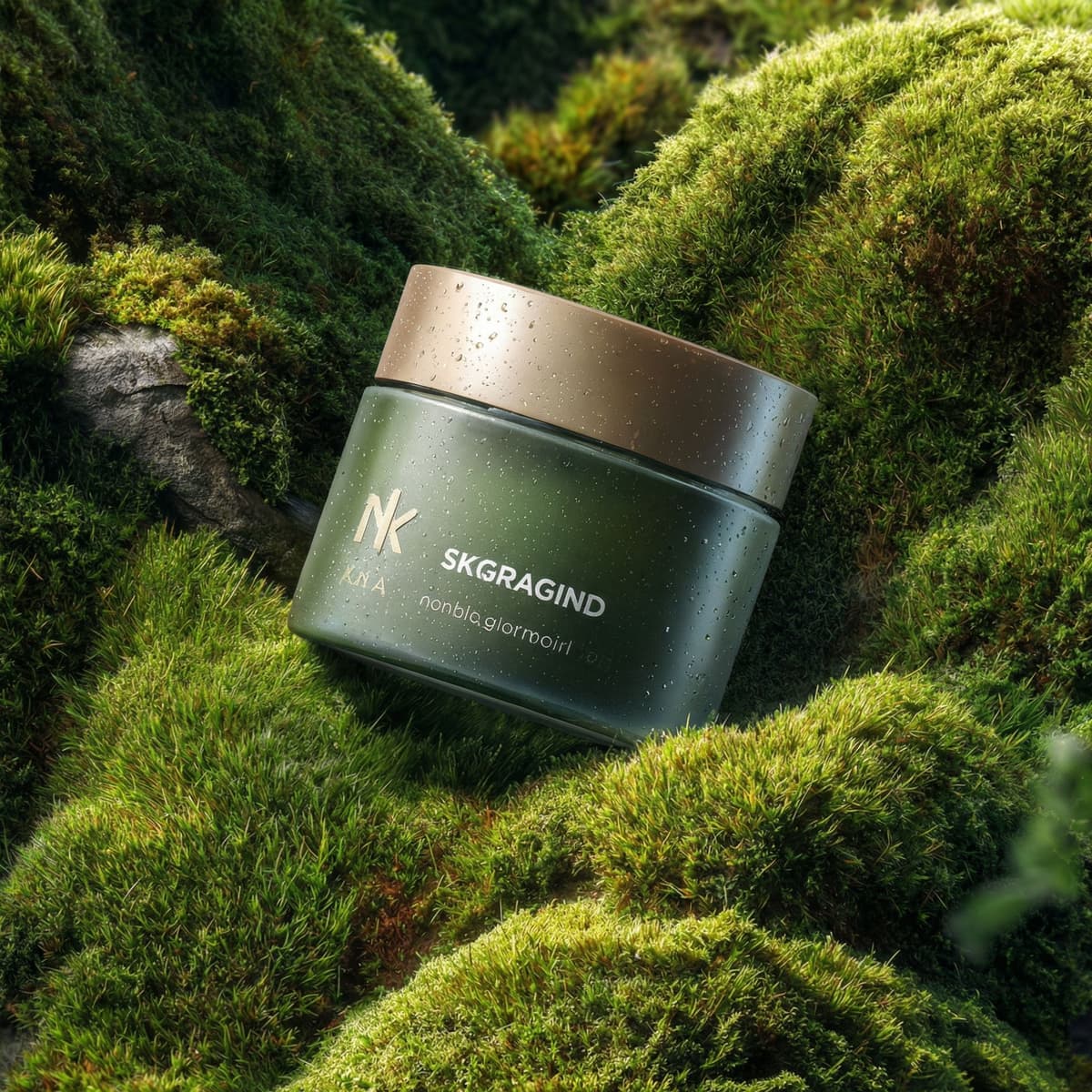
The brands compounding fastest aren't picking sides. They're running a hybrid stack with three layers:
- Layer 1 — One editorial shoot a year. Real photographer, real talent, real location. Produces 8–15 hero assets that anchor the brand for 12 months. Budget: $15,000–$40,000.
- Layer 2 — AI for catalog, variants, seasonal scenes, ad creative. Upload one clean product shot, generate 2K and 4K outputs across infinite scenes. Cost: $99–$199 a month, replacing what used to be $5,000+ a month in shoot work.
- Layer 3 — AI Video for short-form. 8-second clips with audio, generated from your product imagery. First & Last frame control to chain clips into longer sequences. This layer was absent two years ago because the cost was prohibitive — now table stakes.
How to decide on any given shot
Three questions, in order. Is this image going on a billboard, a magazine cover, or your homepage hero for the next year? If yes, hire the photographer. Does this image need to show a real human body interacting with the product in a way that affects purchase decisions (apparel fit, skincare on skin, jewelry on a wrist)? If yes, hire the photographer. Everything else? AI, today, no exceptions worth making.
If you want to see the gap for yourself, the cheapest experiment is to take one product photo you already own and run it through Disoya across a dozen scenes. The AI Photo engine handles the variants, the AI Prompt Generator writes the brief if you're stuck, and the Brand Kit keeps the output coherent. The math will speak for itself before your next shoot invoice clears.