How AI is replacing the $5,000 photoshoot
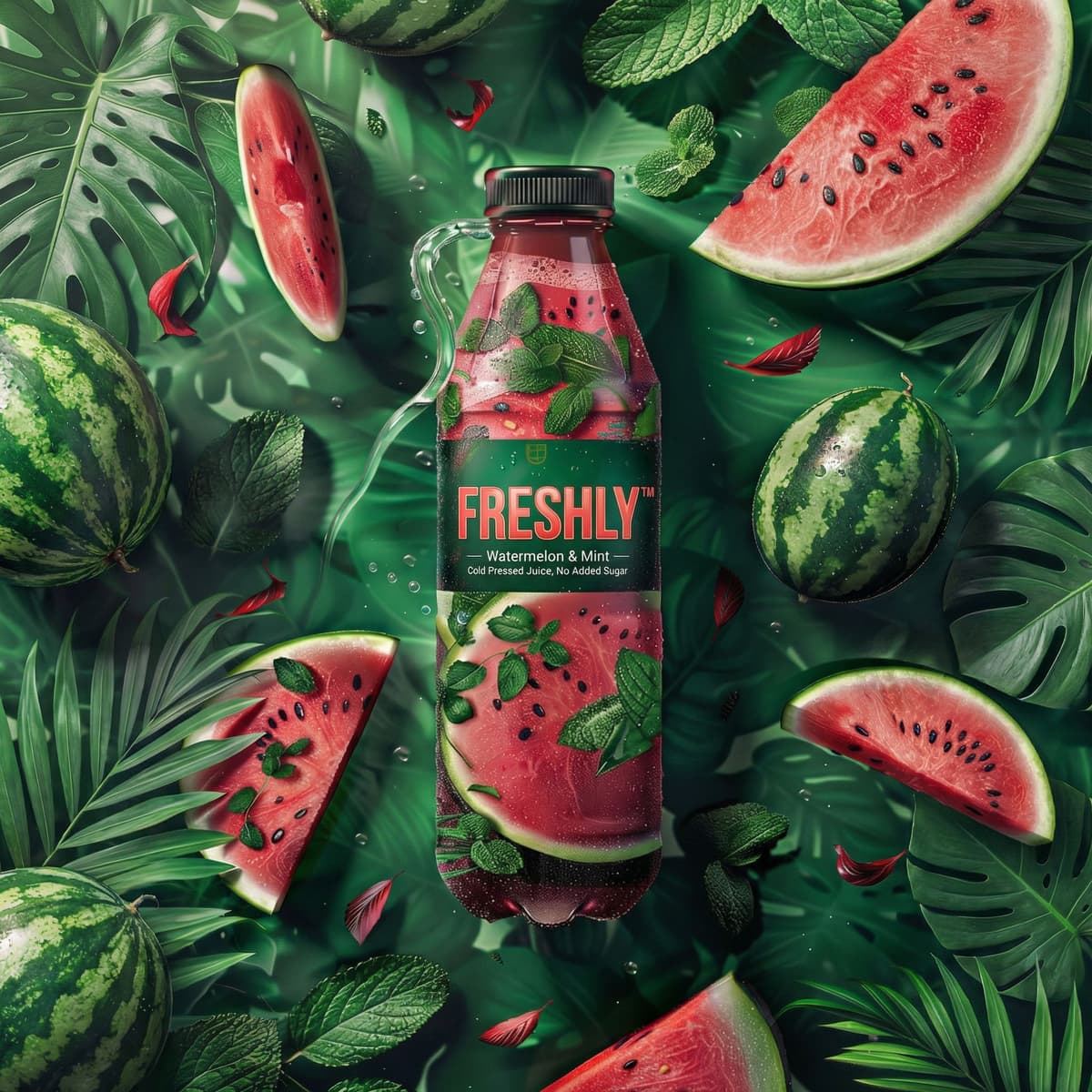
For years, getting a good product photo meant renting a studio, hiring a photographer, scheduling a shoot, waiting for edits, and paying anywhere from $2,000 to $10,000. For small brands and solo founders, that was simply out of reach. You either paid up or settled for mediocre iPhone shots.
AI has completely flipped this equation. Today, you upload a single product photo — taken on your phone, on your kitchen table — and get back studio-quality visuals in under 30 seconds. No lighting setup. No backdrop. No retouching. No invoice.
The quality gap has closed
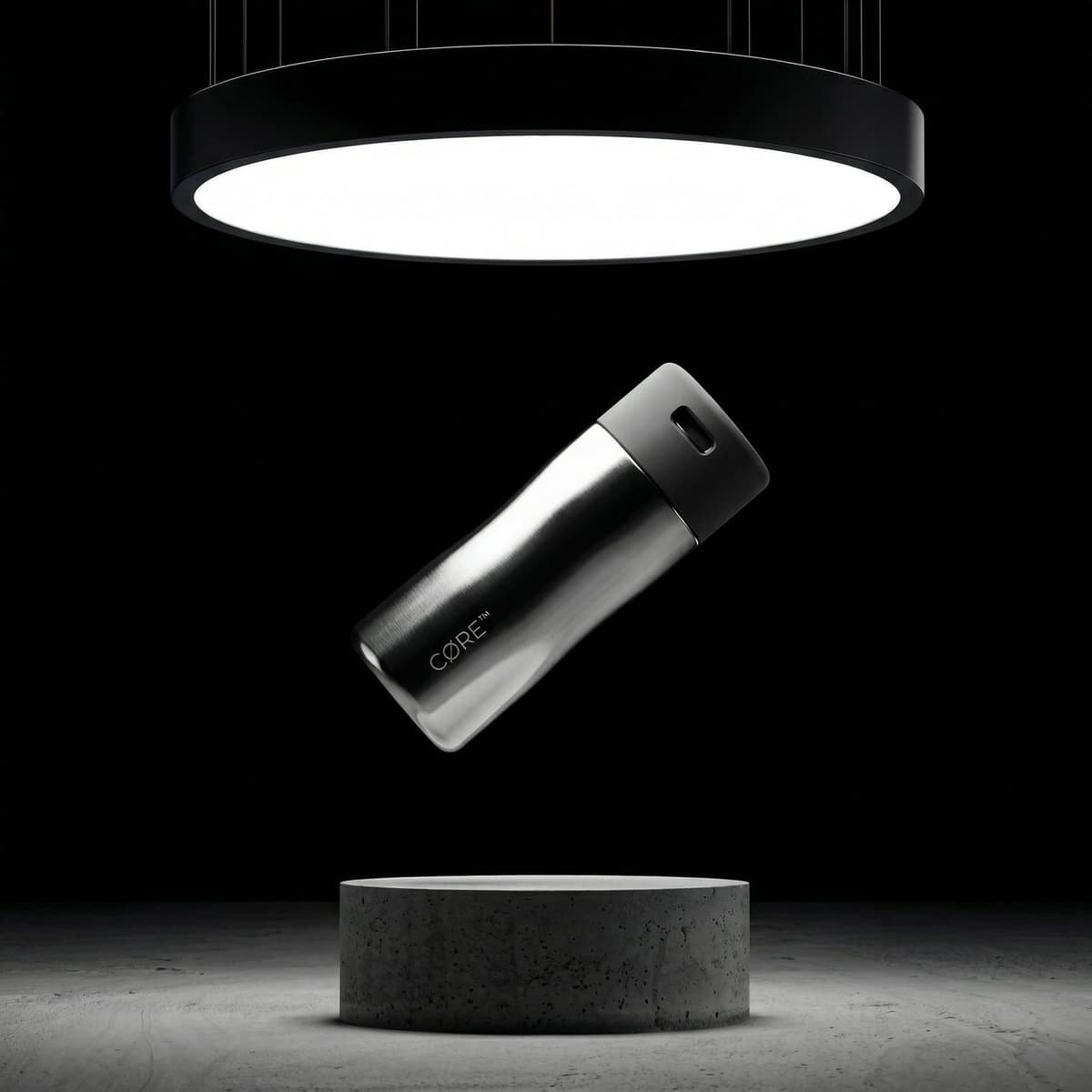
Two years ago, AI-generated images looked obviously fake. Today, the output is indistinguishable from professional studio photography. Advanced models understand lighting, shadows, reflections, depth of field — all the things that used to require expensive equipment and years of experience.
Platforms like Disoya use these models to analyze your product, remove the background, place it in professional scenes, and output images at 2K or 4K resolution. The result looks like it came from a studio that charges $500 per shot.
The real advantage: speed and volume
But the biggest shift isn't quality — it's throughput. A traditional photoshoot produces 10-20 usable images per session. With AI, you can generate hundreds of unique visuals in a single afternoon. Different angles, different scenes, different moods — all from one source photo.
This means you can A/B test visuals, refresh your feed daily, and match content to seasonal trends — all without scheduling another shoot. The brands that understand this have a massive content advantage.
This isn't about replacing creativity
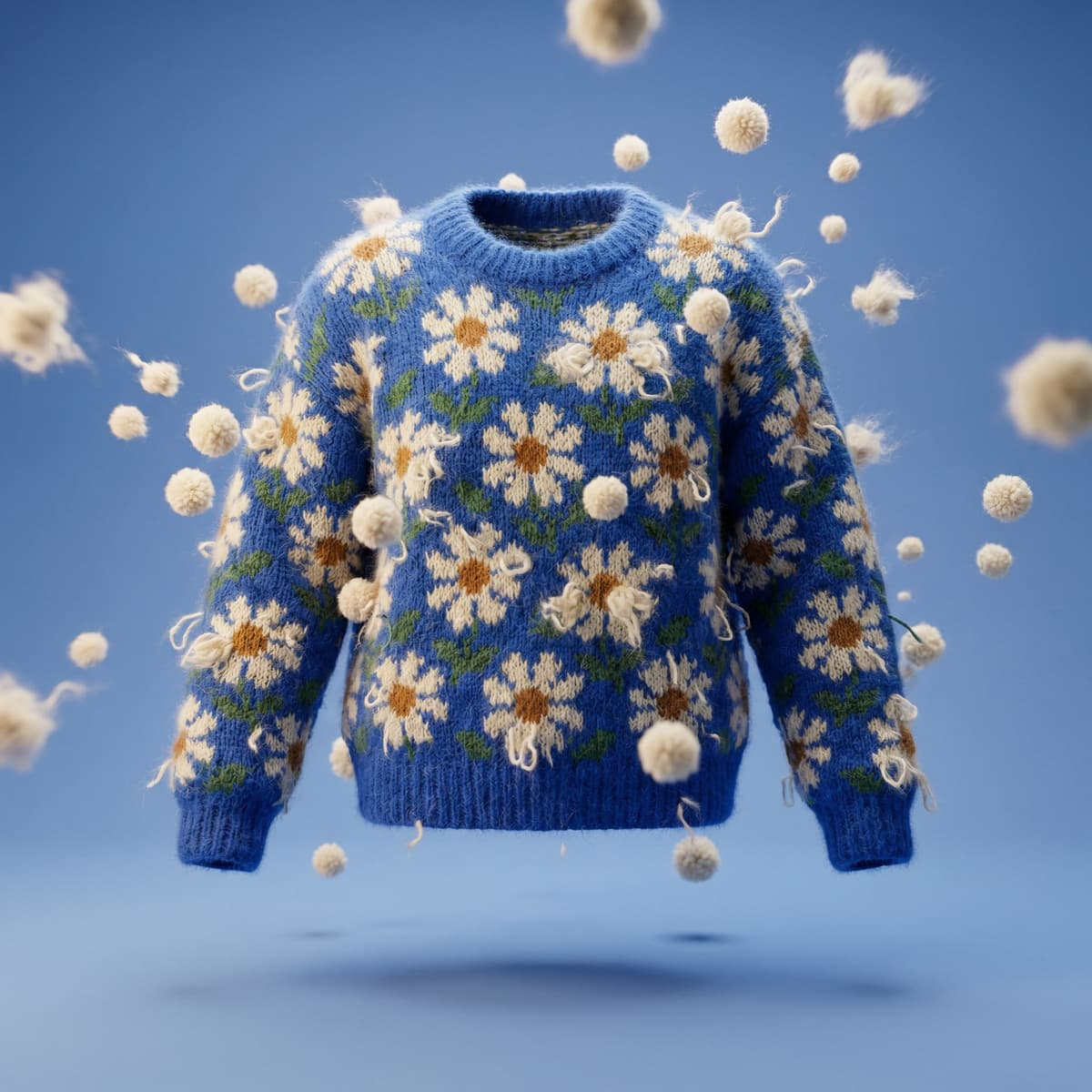
AI doesn't replace your creative vision — it removes the bottleneck between idea and execution. You still decide the direction, the mood, the brand identity. AI just handles the technical execution, instantly. Think of it as having a world-class photographer on call, 24/7, who works for free.
The brands that adopt this early are building a moat. While competitors schedule one photoshoot per quarter, they're publishing fresh, professional visuals every single day. And their engagement numbers prove it.